Offering pickup point delivery in your Shopify store is one of the most effective ways to reduce cart abandonment and give customers the flexibility they expect from modern online shopping. When shoppers reach checkout and see only rigid home delivery options, many leave without buying – not because they didn’t want the product, but because receiving it felt too inconvenient.
Parcel shops, parcel lockers, and carrier collection points solve this problem. Instead of waiting at home for a courier, customers choose a nearby location and collect their order on their own schedule. It’s a small change in the checkout flow, but it makes a meaningful difference in how your store is perceived – and whether customers complete their purchase.
This is especially true in Central and Eastern European markets, where pickup point delivery is not just a nice-to-have but a standard customer expectation. If your store serves customers in countries like Poland, Romania, Czechia, Hungary, or in other EU countries, offering pickup options is one of the most direct steps you can take to stay competitive.
What Is Pickup Point Delivery?
Pickup point delivery allows customers to choose a nearby parcel shop, parcel locker, or carrier service point as their delivery address instead of having a package sent to their home. The merchant ships the order to the selected location, and the customer picks it up at their convenience – often within a few days.
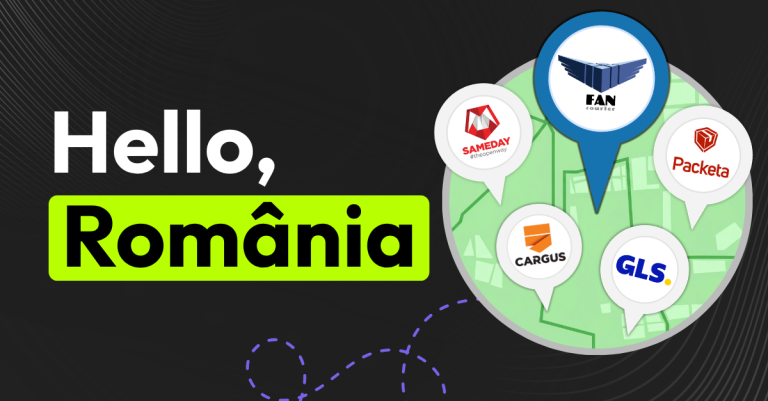
Pickup points are operated by major carriers such as DHL, DPD, GLS, UPS, InPost, Packeta, PPL, FAN Courier, FOXPOST, and Sameday, among others. These networks cover thousands of locations across Europe and beyond, making pickup point delivery a widely available option for most Shopify stores operating in these markets.
Why Customers Prefer Pickup Point Delivery
Modern shoppers want flexibility. Not everyone is home during business hours to receive a package, and missed deliveries create frustration on both sides – the customer has to rearrange collection, and the merchant faces complaints and potential returns.
Pickup point delivery solves this by letting customers choose when and where they collect their orders:
- Convenient hours: Many parcel lockers are accessible 24/7, while parcel shops often have extended hours.
- No missed deliveries: The package waits at the pickup point until the customer is ready.
- Familiar locations: Customers can choose a spot close to their home, workplace, or regular commute.
- Reduced delivery costs: In many markets, pickup point delivery is cheaper for both merchants and customers compared to home delivery.
When customers feel in control of their delivery, they are more likely to complete their purchase and come back again.
Why Pickup Point Delivery Is Good for Stores
Flexible delivery is not just a customer convenience – it is a direct business advantage. Stores that offer pickup point delivery alongside home delivery give shoppers more reasons to complete their purchase, fewer reasons to abandon their cart, and a better overall experience that builds long-term loyalty. Here is why it matters.
1. Reduces Cart Abandonment at Checkout
Checkout is where purchases are won or lost. One of the top reasons shoppers abandon their cart is limited delivery options. When a customer sees only home delivery with an inappropriate time window, they may hesitate – especially if they are rarely home. Offering pickup point delivery as an alternative gives those customers a reason to complete their purchase instead of looking elsewhere.
2. Lowers the Risk of Failed Deliveries and Returns
Failed deliveries are costly. Every returned package means reverse logistics, additional carrier fees, and a potentially unhappy customer. Pickup point delivery removes the core reason for failed home deliveries: the customer simply was not home. Since the package waits at a secure location, the delivery success rate goes up, and returns triggered by missed deliveries go down.
3. Expands Your Reach in Markets Where Pickup Is the Norm
In many Central and Eastern European countries – Poland, Czech Republic, Romania, Hungary, and others – a significant share of online shoppers actively prefer pickup point or parcel locker delivery over home delivery. In these markets, not offering pickup options can mean losing customers to competitors who do. For Shopify stores expanding into these regions, pickup point support is not optional; it is expected.
4. Simplifies Your Shipping Workflow
Instead of managing separate carrier apps, integrations, and shipping label tools, you can consolidate everything in one place. A single pickup point app that supports multiple carriers means fewer logins, fewer manual steps, and more time to focus on growing your store.
Key Features to Look For
If you are evaluating a pickup point solution for Shopify, and want to work with a Shopify application, here are the criteria that matter most:
- Multi-carrier support: The more carriers you can offer, the more choice your customers have. Look for an app that integrates with the major carriers active in your target markets.
- Interactive map and list view: Customers should be able to browse and select pickup points visually at checkout, not just enter an address manually.
- Checkout compatibility: The app should work with your current Shopify plan and theme. Note that different Shopify plans support different checkout customization levels.
- Shipping label generation: Look for built-in label printing – ideally with bulk printing support – so you do not need a separate tool for fulfillment.
- Order synchronization: Orders should sync automatically between your Shopify store, the app, and the carrier, reducing manual data entry and errors.
- Cash on Delivery (COD) support: COD is still widely used in some European markets, so this can be an important feature depending on where you sell.
- Mobile-friendly experience: A significant portion of online shopping happens on mobile. The pickup point map or list must work smoothly on smaller screens.
How PickupBird Helps
PickupBird is a Shopify app built specifically to help merchants add pickup point and parcel locker delivery to their stores.
Here is how it addresses the needs outlined above:
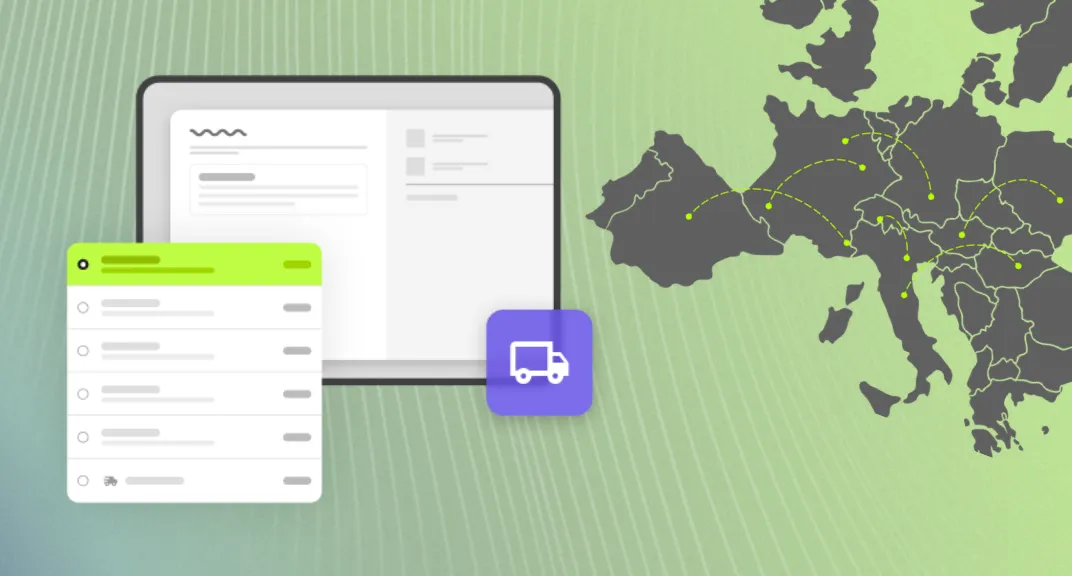
- Multiple carrier connections in one app. PickupBird connects with major European and international carriers – including DHL, DPD, GLS, UPS, InPost, Packeta, PPL, FAN Courier, FOXPOST, MPL, and Sameday – from a single dashboard. No need to install or maintain a separate app for each carrier.
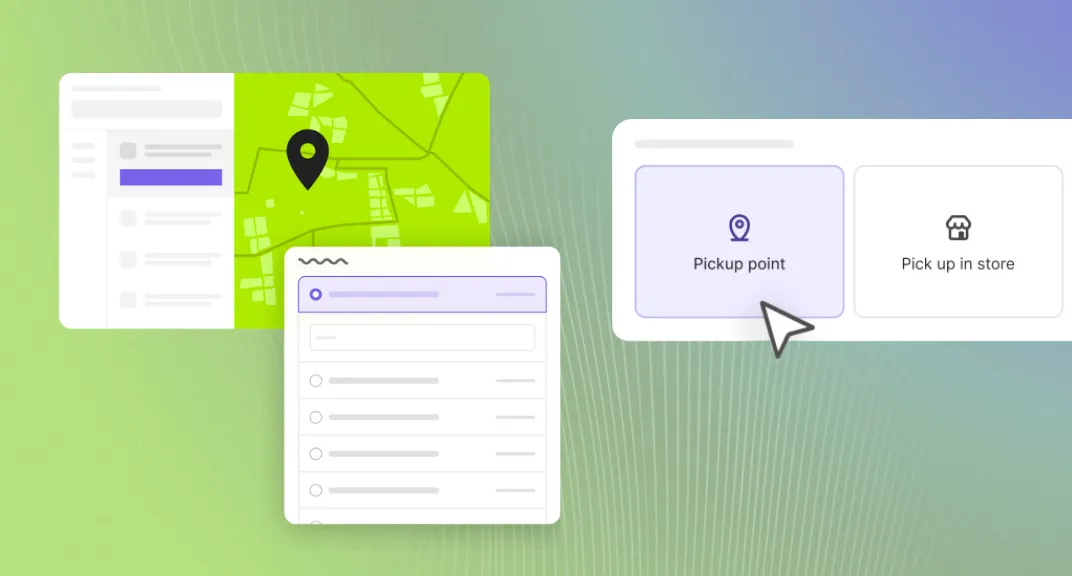
- Interactive pickup point maps. Customers can select their preferred pickup location directly on a map during their shopping journey – on the Cart page, at Checkout, or on the Thank You page. A list view showing nearby locations is also available for a streamlined checkout experience. The Cart map works on any Shopify plan with no Google Maps API setup required.
- Shipping label generation and bulk printing. PickupBird lets merchants generate individual or bulk shipping labels and notes, reducing the manual effort involved in order fulfillment.
- Order sync. Orders stay synchronized between Shopify, PickupBird, and the connected carrier, keeping your fulfillment process accurate and up to date.
- Home delivery and COD support. PickupBird supports home delivery and Cash on Delivery alongside pickup point options, so merchants can manage all their delivery methods in one app.
- Available in 37+ countries. PickupBird is designed for merchants serving customers across Europe and beyond, making it practical for cross-border operations.
- No coding required. The app is built for Shopify merchants who want a ready-to-use solution with minimal setup – no developer needed.

How to Get Started with PickupBird
Adding pickup point delivery to your Shopify store with PickupBird is straightforward:
- Install the PickupBird app from the Shopify App Store.
- Connect your carriers. Select the carriers you want to offer and link your carrier accounts. Note that you will need an existing account or contract with each carrier to create and manage shipments.
- Activate and customize. Customize your pickup point map and shipping zones to match your store’s needs.
From there, your customers will be able to choose pickup points during checkout, and your fulfillment team will have the tools to process, label, and sync orders efficiently.
Conclusion
Pickup point delivery is not just a logistics feature – it is a customer experience improvement that can directly affect your checkout conversion rate, reduce failed deliveries, and strengthen your position in markets where pickup is the preferred delivery method.
For Shopify merchants looking to offer more flexible, reliable, and cost-efficient shipping options, adding pickup point delivery is a practical step with measurable benefits.
Try PickupBird free and add pickup point delivery to your Shopify store today. Explore the app to connect parcel shops, parcel lockers, and home delivery in one place – no coding required.
Frequently Asked Questions
What is pickup point delivery?
Pickup point delivery is a shipping method where customers choose a nearby parcel shop, parcel locker, or carrier collection point as the destination for their order. Instead of home delivery, the package is sent to the selected location and held there until the customer collects it.
Why should my Shopify store offer pickup point delivery?
Offering pickup point delivery gives customers more flexibility, reduces failed deliveries, and can help lower cart abandonment at checkout – particularly for shoppers who are rarely home during standard delivery hours.
Which carriers support pickup point delivery?
Many major carriers operate pickup point networks, including DHL, DPD, GLS, UPS, InPost, Packeta, PPL, FAN Courier, FOXPOST, MPL, and Sameday. Coverage and availability vary by country.
Is pickup point delivery popular in Europe?
Yes. In many Central and Eastern European countries, pickup point and parcel locker delivery is a preferred or dominant delivery method for online shoppers. Stores selling in these markets benefit significantly from offering this option.